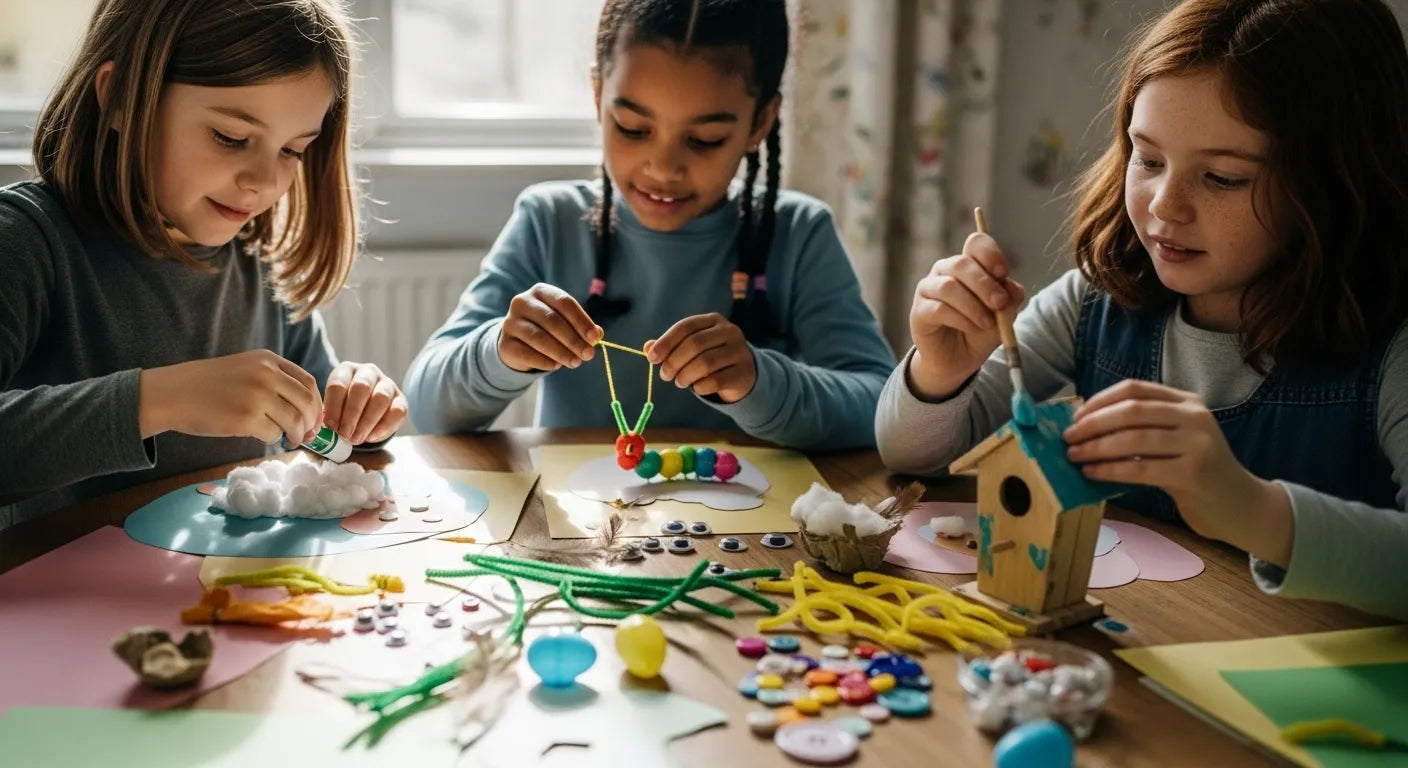
Engage Kindergarteners: Easy Plasticine Spring Art & Play
Spring is a season brimming with new life, vibrant colors, and endless inspiration, making it the perfect time to ignite creativity in young children. From the delicate flutter of butterflies to the cheerful bloom of flowers and the chirping of newly hatched birds, spring offers a rich tapestry of themes for artistic exploration. For kindergarteners, hands-on activities that encourage sensory engagement and imaginative play are invaluable. This year, consider introducing them to the wonderfully versatile world of plasticine with an engaging and accessible
Spring Craft For Kindergarten that promises both fun and developmental benefits.
Plasticine, a non-hardening modeling clay, is an exceptional medium for young artists because of its forgiving nature and tactile appeal. Unlike paints or glues, plasticine allows for endless adjustments, layering, and reshaping, empowering children to experiment without fear of making a "mistake." This inherent flexibility fosters confidence and encourages a deeper dive into creative expression.
Why Plasticine is Perfect for a Spring Craft For Kindergarten
Plasticine art isn't just about creating a pretty picture; it's a multi-faceted activity that supports crucial developmental milestones in young children. When choosing a
Spring Craft For Kindergarten, it's essential to consider how it contributes to their growth, and plasticine excels on several fronts:
*
Fine Motor Skill Development: The act of squishing, rolling, pinching, flattening, and pressing plasticine strengthens the small muscles in children's hands and fingers. These actions are fundamental for developing dexterity, hand-eye coordination, and ultimately, preparing them for writing and other detailed tasks.
*
Sensory Engagement: The unique texture, pliability, and even subtle scent of plasticine provide a rich sensory experience. Children learn through touch, and manipulating plasticine offers satisfying tactile feedback, which can be calming and help improve focus.
*
Unleashing Creativity and Imagination: There are no strict rules with plasticine. Children are free to choose their own colors, shapes, and themes, transforming their inner visions into tangible art. This open-ended approach aligns perfectly with play-based and inquiry-based learning philosophies, allowing children to explore concepts that genuinely interest and excite them.
*
Accessibility for All Ages and Skill Levels: A remarkable aspect of plasticine art is its adaptability. Younger kindergarteners can achieve beautiful results with simplified techniques like using cookie cutters, fostering a sense of success. Older children, or those with more developed motor skills, can delve into intricate details, layering, and complex compositions, making it a craft that grows with the child. This makes it an ideal, inclusive
Spring Craft For Kindergarten, ensuring every child feels capable and creative.
Gathering Your Simple Materials for a Plasticine Spring Adventure
One of the beauties of this
Spring Craft For Kindergarten is its minimal material requirement. You likely have most of these items already, making it an easy activity to set up spontaneously.
*
Plasticine or Non-Hardening Modeling Clay: Choose a variety of bright, spring-inspired colors. Oil-based plasticine is recommended as it won't dry out, allowing children to revisit and rework their creations. Ensure it's non-toxic and child-safe.
*
Cookie Cutters (Optional, but Recommended): These are truly the secret weapon for guiding younger children. Opt for simple shapes relevant to spring: flowers, butterflies, birds, eggs, suns, or even basic circles and squares that can be transformed.
*
Toothpicks or Simple Clay Tools: These are wonderful for adding intricate details, lines, textures (like veins on a leaf or patterns on an egg), or even cutting small pieces. For kindergarteners, supervise closely and ensure they use the blunt end of toothpicks where appropriate.
*
A Sturdy Base: A small wooden square (as suggested by the reference), a piece of sturdy cardboard, thick cardstock, or even a laminated sheet of paper works perfectly. This provides a stable surface for the plasticine to adhere to and prevents the art from being too flimsy.
Remember to cover your workspace with newspaper or a plastic tablecloth for easy cleanup, though plasticine is generally less messy than paint.
Bringing Spring to Life: A Step-by-Step Plasticine Guide
This art activity is less about following rigid instructions and more about providing a framework for creative exploration. Here's a guided approach to your
Spring Craft For Kindergarten:
1.
The Foundation: Crafting Your Background
Begin by inviting children to choose colors for their background. This could be a single serene blue for the sky, a vibrant green for a field, or a blend of colors to represent a sunset or a springtime meadow. Instruct them to take a piece of plasticine and smear it thinly across their chosen base, covering the entire surface. This technique is fantastic for developing hand strength and coordination. Encourage them to experiment with blending different colors directly on the base to create unique effects.
2.
Introducing Shapes with Cookie Cutters
Once the background is complete, introduce the cookie cutters. For young children, these tools provide a fantastic starting point, helping them create clear, recognizable shapes without the frustration of freehand sculpting. Have children press the cookie cutter firmly into the plasticine background to make an impression. They can create as many impressions as they like, arranging them to form a scene – perhaps a cluster of eggs, a garden of flowers, or a sky filled with butterflies. As highlighted in
Simple Spring Art: Cookie Cutter Plasticine for Kids, cookie cutters are especially helpful for younger artists.
3.
Filling in the Blanks or Layering
Now comes the exciting part of bringing the shapes to life. Children have two main options:
*
Filling In: They can choose a new color of plasticine and carefully fill in the impressions made by the cookie cutters, smoothing the clay to match the shape.
*
Cut-and-Place: Alternatively, they can press a cookie cutter into a separate piece of plasticine (a different color) to create a cutout shape, then lift this cutout and place it onto their background, creating a raised, layered effect. This method adds a wonderful tactile dimension to the art.
4.
Adding the Magic: Details and Texture
This is where individual expression truly shines. Encourage children to add details using small pieces of plasticine or the toothpicks. They can roll tiny "snakes" for stems, antennae, or decorative lines. Small balls of plasticine can become flower centers, polka dots on an egg, or eyes on a bird. Toothpicks can be used to etch patterns, create textures on leaves, or draw intricate designs into their plasticine forms. Encourage them to mix colors, layer small pieces, and experiment with different pressures and tools. There’s no limit to the creativity in this stage of the
Spring Craft For Kindergarten.
Beyond the Craft: Extending Learning and Play with Plasticine
This plasticine spring art project offers far more than just a finished product; it's a gateway to deeper learning and imaginative play.
*
Inquiry-Based Exploration: In line with play-based educational programs, this craft provides materials and a concept, but the "how" is entirely up to the child. This freedom encourages them to ask questions, experiment with techniques, and discover solutions independently. "What happens if I mix these colors?" "Can I make a 3D flower?" These are the seeds of inquiry.
*
Storytelling and Narrative Development: Once their artwork is complete, encourage children to describe their spring scene. "What story does your picture tell?" "Who lives in this garden?" "What are the birds doing?" This helps develop language skills, narrative structure, and imaginative thinking.
*
Connecting to the Natural World: Before or after the craft, take a "spring scavenger hunt" walk. Observe real flowers, notice the colors of birds, or look for insects. Discuss what they saw and how they might incorporate those observations into their plasticine art. This bridges the gap between art and science, making the
Spring Craft For Kindergarten more meaningful.
*
Holiday Themes: As the reference context suggests, this activity is perfect for Easter. Children can easily use circular cookie cutters to create adorable Easter eggs, then decorate them with patterns, stripes, and dots using small pieces of colored plasticine. This makes it a versatile art project for various spring celebrations.
*
Tips for Educators and Parents: Emphasize the process over the product. Celebrate effort, experimentation, and individuality rather than focusing on a "perfect" outcome. Display their creations proudly, perhaps with a small label detailing the child's own description of their art. To explore more broad-reaching benefits of hands-on activities, see
Spark Creativity: Hands-On Spring Crafts for Kindergarten Learning.
Conclusion
Engaging kindergarteners with an easy plasticine spring art project is a fantastic way to celebrate the season while fostering critical developmental skills. This
Spring Craft For Kindergarten offers a unique blend of sensory exploration, fine motor practice, and boundless creative expression. By providing simple materials and a flexible framework, you empower young artists to explore, imagine, and create something truly unique and beautiful. So gather your plasticine, embrace the mess, and watch as the vibrant spirit of spring comes to life through the magical hands of your little ones!